
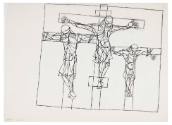
Σταύρωση
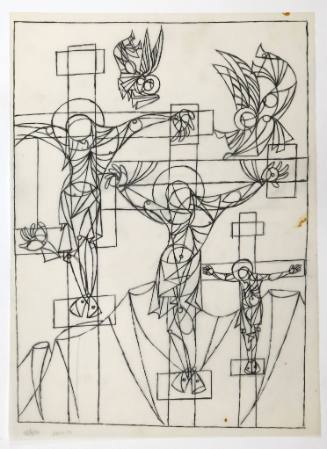
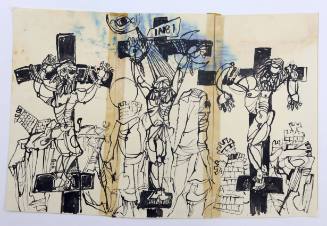
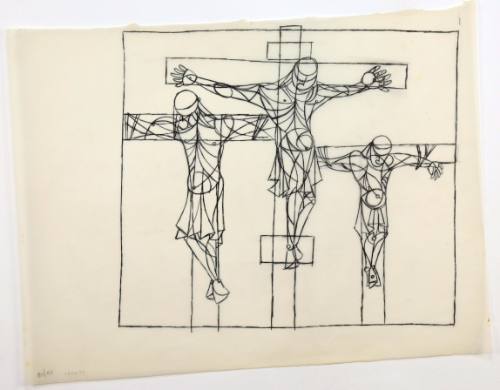
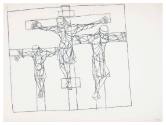
001953 Nikos Yialouris, Crucifixion, n.d., Indian ink on rice paper, 42.5 × 69.5 cm
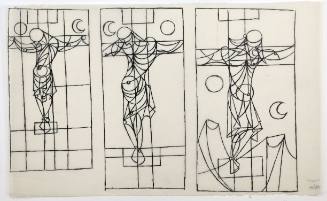
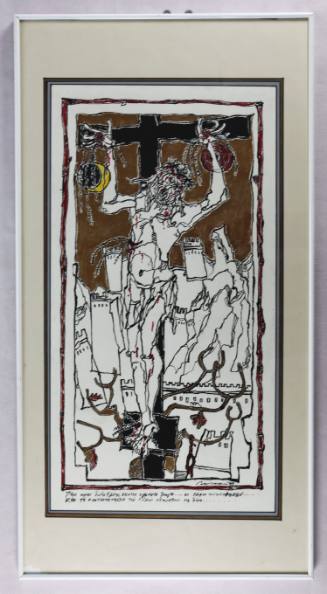
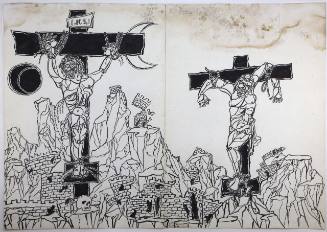
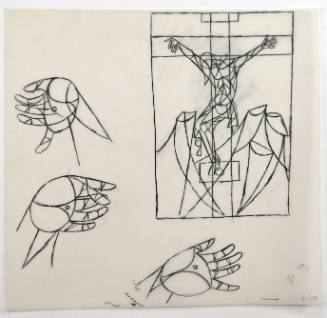
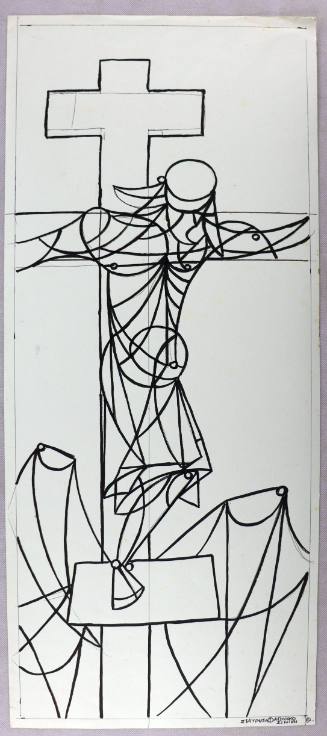
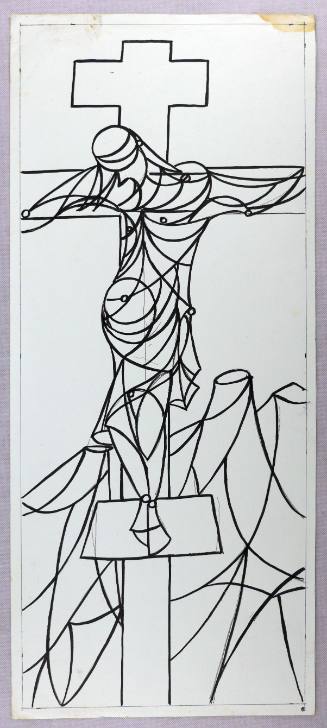
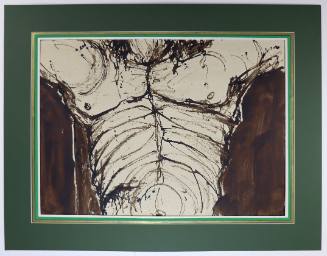
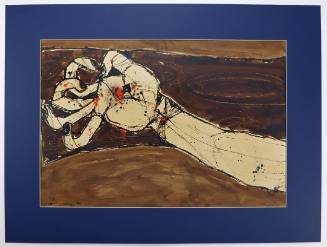
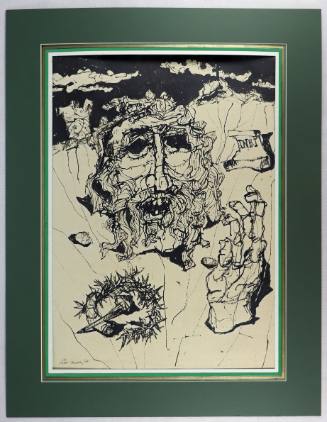
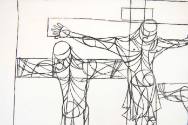
The first time Yialouris painted the Crucifixion was in 1959, in a drawing quite close to the Byzantine iconographic tradition. When he returned to the subject around 1970, he followed a more personal path, with references to the work of English painters Francis Bacon and Graham Sutherland. In the particular drawing—more of a study than a completed work, in which Christ and the two thieves are depicted—the influence of Sutherland is strong. It can be seen in the way the Greek painter paints the bodies geometrically, how he works with curves and diagonal lines, creating a sense of engraving rather than of painting volumes. Sutherland drew from the great tradition of Gothic sculpture. Yialouris, in turn, embraces Byzantine art: the posture of the figures, the rendering of the loincloths, even the stomach area, all remain unmistakable witnesses to this reference. Nevertheless, the young artist turns his gaze to the West—because it is with the European Modernism that he wishes to engage, it is into that artistic tradition he aspires to inscribe himself.