
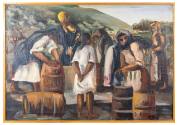
Πηγάδι στα Μέγαρα
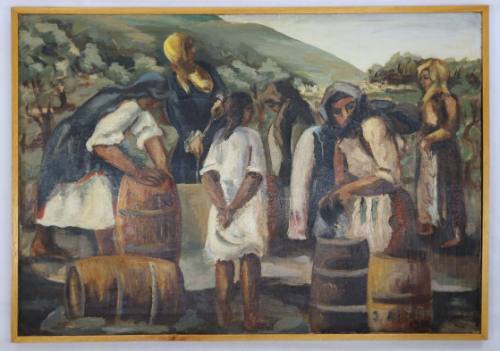
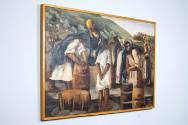
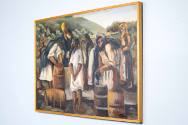
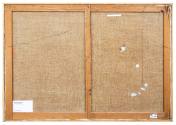
000022 Yannis Mitarakis, A Well in Megara, 1950, oil on canvas, 83 × 118 cm
From 1915 until 1930, Mitarakis lived primarily in France. In 1930, he returned to Greece with his family. In those early years of resettlement, he turned systematically to genre scenes, in part perhaps aligned with the spirit of Greek art at the time. In 1932, he spent a long period living in a tent in the region of Megara, in order to study the daily life of rural people. During that time, he also took many photographs, which he later used in his studio for the execution of his paintings. The Well in Megara belongs to this body of work, based on photographic sources and developed in three different versions. These paintings received negative criticism when first presented to the public, as Mitarakis was introducing into Greece a mild expressionism rooted in the interwar ideas of French art. He adopted a stylized and simplified approach to drawing, while rejecting the anti-realist colour palette of the French Fauvists and German Expressionists. Paradoxically, with its mild modernist language, The Well in Megara more closely recalls the static rhythm of archaic art, with the frozen gestures of the women and the horizontally unfolding composition.